
Food science, made readable.
No fluff, no fearmongering — just the mechanisms behind better nutrition, the craft behind our ingredients, and the results you can see in your dog.
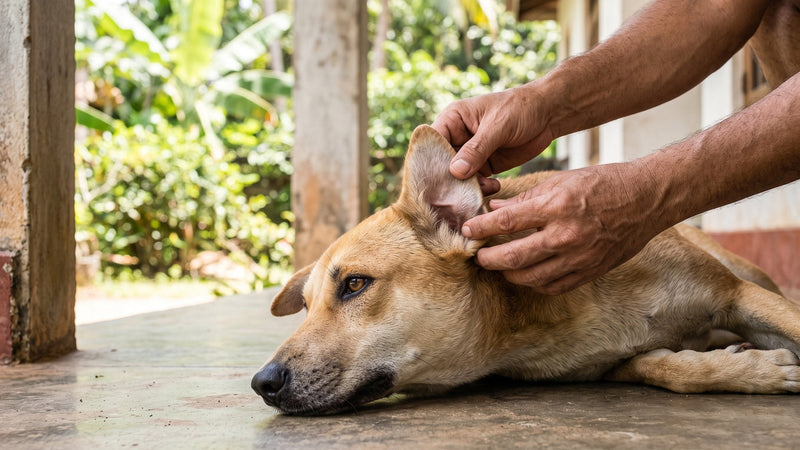
Ticks in the Wet Season: Checking, Removing and Preventing
Tick fever is one of the most common illnesses vets treat in Sri Lanka, and the brown dog tick can even breed indoors. Here is...
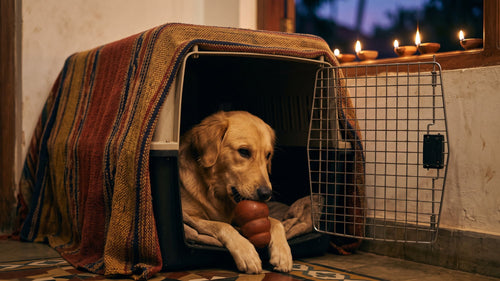
Fireworks and Your Dog: Getting Ready for Deepavali Night
For many families Deepavali is the most beautiful night of the year. For many dogs it is the...
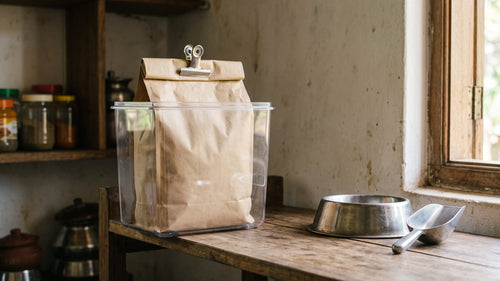
Storing Dog Food in Humid Weather: Keeping Kibble Fresh Through the Monsoon
Once a bag is opened, oxygen, heat and humidity begin degrading fats and vitamins, and in the worst...
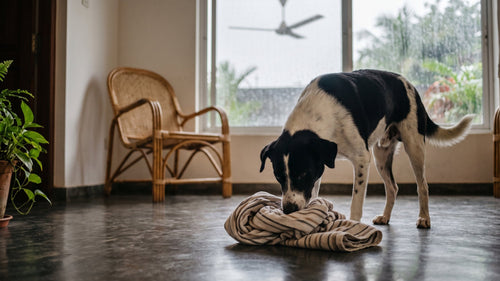
Stuck Indoors: Nine Rain-Day Games That Tire Your Dog Out
Three days of rain, five-minute walks, and a dog sighing loudly at your feet. Ten minutes of sniffing...
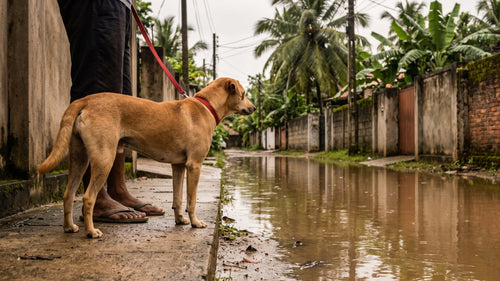
Leptospirosis After Floods: What Every Sri Lankan Dog Owner Should Know
Flood water carries Leptospira, the bacteria behind rat fever, and dogs catch it as easily as people do....
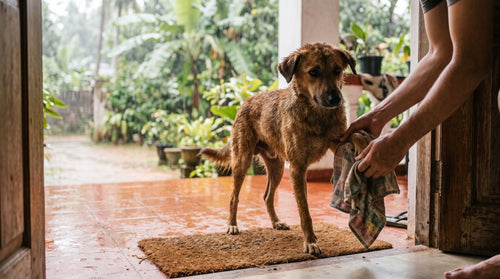
A Monsoon Care Routine for Paws, Ears and Coat
Constant humidity keeps skin and fur damp, which is why ear infections, hot spots and itchy paws peak...
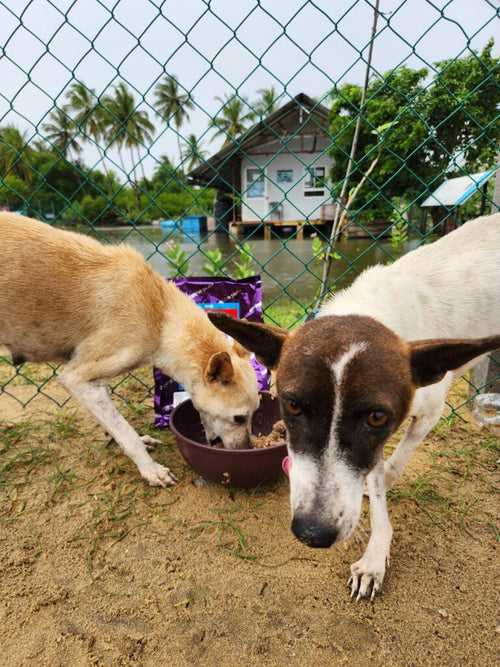
How Long Until You See Results After Switching Dog Food
Switching your dog’s food doesn’t produce overnight changes. Here is a week-by-week guide to what to expect, what...

What Your Dog’s Stool Tells You About Food Quality
Stool volume, consistency, colour, and odour are all direct outputs of the digestive process — and each one...

5 Signs Your Dog’s Food Is Working
You don’t need a blood panel to know whether your dog’s food is working. Coat condition, stool quality,...
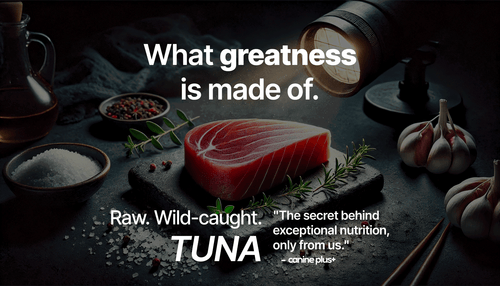
Omega-3 Bioavailability in Dog Food: What the Form of Delivery Actually Changes
The omega-3 figure on the guaranteed analysis is measured at production — not at the time your dog...

How Fat Quality in Dog Food Affects Coat, Skin, and Energy
The crude fat number tells you how much fat is in the food. It tells you nothing about...

Why Protein Source Quality Determines Digestibility — Not Just the Percentage
Two products can both list 28% crude protein and differ by 20 percentage points in what your dog...

How to Read a Dog Food Guaranteed Analysis Panel
Crude protein, crude fat, crude fibre, moisture — four numbers that tell you less than you think. Here...

What Happens to Nutrients When Kibble Is Cooked at 160°C
Standard kibble is cooked at 110–160°C. The process is efficient — but it destroys enzymes, damages lysine through...

The Bioavailability Gap: Why Crude Protein Percentages Lie
A high protein percentage on a label doesn't mean your dog is absorbing it. Discover the chemical mechanisms...

How to transition your dogs diet to Canine Plus+ ?
Canine Plus+ offers a range of premium, human-grade dog foods, but how do you make the switch without...
Nothing found
No articles match your chosen tag filter selection inside this category.